
Responsibility Is A Privilege
A Growth Guide for Fathers on Taking Ownership of the Life You’re Building

Most people talk about responsibility like it’s a burden.
Something heavy. Something unfair. Something that gets in the way of freedom.
You hear it in the language people use.
“I have to work.”
“I’m stuck with bills.”
“I can’t do what I want anymore.”
Fatherhood accelerates this mindset if you let it. Overnight, the stakes rise. Time shrinks. Fatigue becomes constant. The margin you used to rely on disappears.
It’s easy to look at responsibility as the thing that closed doors.
I see it differently.
Responsibility is not what limits your life. It’s what gives your life weight. And weight is what makes strength possible.
Responsibility Reveals Capability
Before responsibility, most men live in hypotheticals.
I could do more.
I’d be disciplined if I had a reason.
I’d step up when it really mattered.
Responsibility removes the hypothetical.
When someone depends on you, excuses stop working. You either show up or you don’t. There’s no audience, no applause, and no one coming to rescue you from the consequences.
That pressure is uncomfortable. It exposes weak habits, poor systems, and empty confidence. But it also reveals something else: capacity.
You find out how much you can carry.
Fatherhood doesn’t magically give you discipline or clarity. It demands them. And if you respond correctly, you grow into the role instead of resenting it.
The Difference Between Carrying and Owning
A lot of men carry responsibility without owning it.
They do what’s required, but nothing more. They show up physically but stay disengaged mentally. They comply instead of lead.
Ownership is different.
Ownership means you stop asking who should handle something and assume it’s yours unless proven otherwise. Not because you’re controlling, but because you understand the cost of neglect.
Bills get paid on time.
The house functions.
The family schedule doesn’t collapse.
The long-term plan exists, even if it’s imperfect.
Ownership is quiet. It rarely gets noticed when it’s done well. But when it’s missing, everyone feels it.
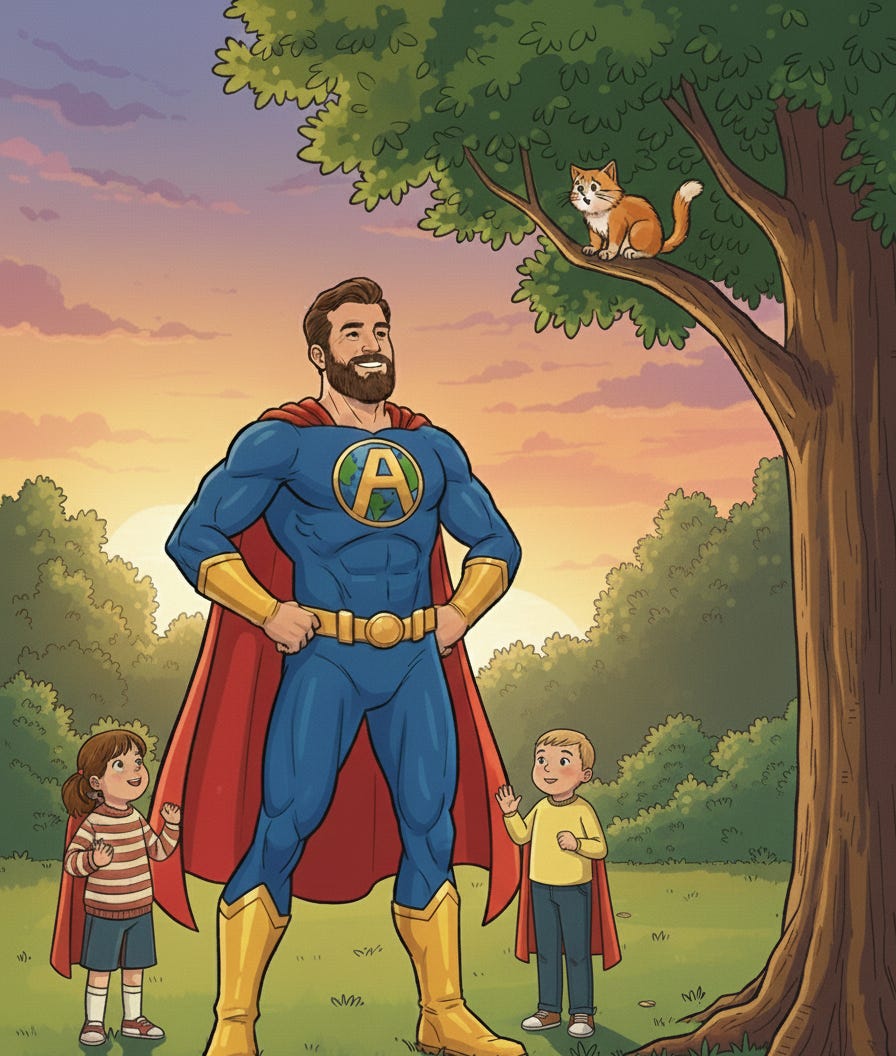
This is where responsibility becomes a privilege. You are trusted with stability. With direction. With outcomes that matter to people you love.
That’s not a curse. That’s a vote of confidence.
Responsibility Forces Better Systems
When you have unlimited time and energy, sloppy systems don’t hurt you much.
When you’re a father, they crush you.
Missed payments. Forgotten commitments. Disorganized mornings. All of it compounds fast when you’re tired and distracted.
Responsibility forces you to build systems not because you’re ambitious, but because chaos becomes expensive.
You learn to calendar things.
You simplify routines.
You decide what actually matters and cut the rest.
This isn’t about optimization for productivity’s sake. It’s about preserving energy for what counts.
A man who takes responsibility seriously doesn’t try to do everything. He designs his life so the important things don’t fall apart when he’s stretched thin.
Freedom Isn’t the Absence of Responsibility
There’s a lie floating around that freedom means fewer obligations.
In reality, freedom comes from choosing the right ones.
A man who avoids responsibility is not free. He’s fragile. His life depends on conditions staying easy. The moment pressure shows up, he folds or blames.
A man who accepts responsibility builds leverage. He becomes reliable. Capable. Hard to shake.
That kind of man has options later precisely because he carried weight early.
Responsibility done well creates trust. Trust creates opportunity. Opportunity creates flexibility.
That’s the long game.
What This Looks Like in Real Life
This doesn’t require grand gestures.
It shows up in small, repeatable ways:
Being the one who plans instead of reacts
Handling problems early before they become emergencies
Protecting family time instead of letting work consume everything
Taking ownership of your health because others depend on your energy
Making decisions even when they’re uncomfortable
None of this is glamorous. All of it matters.
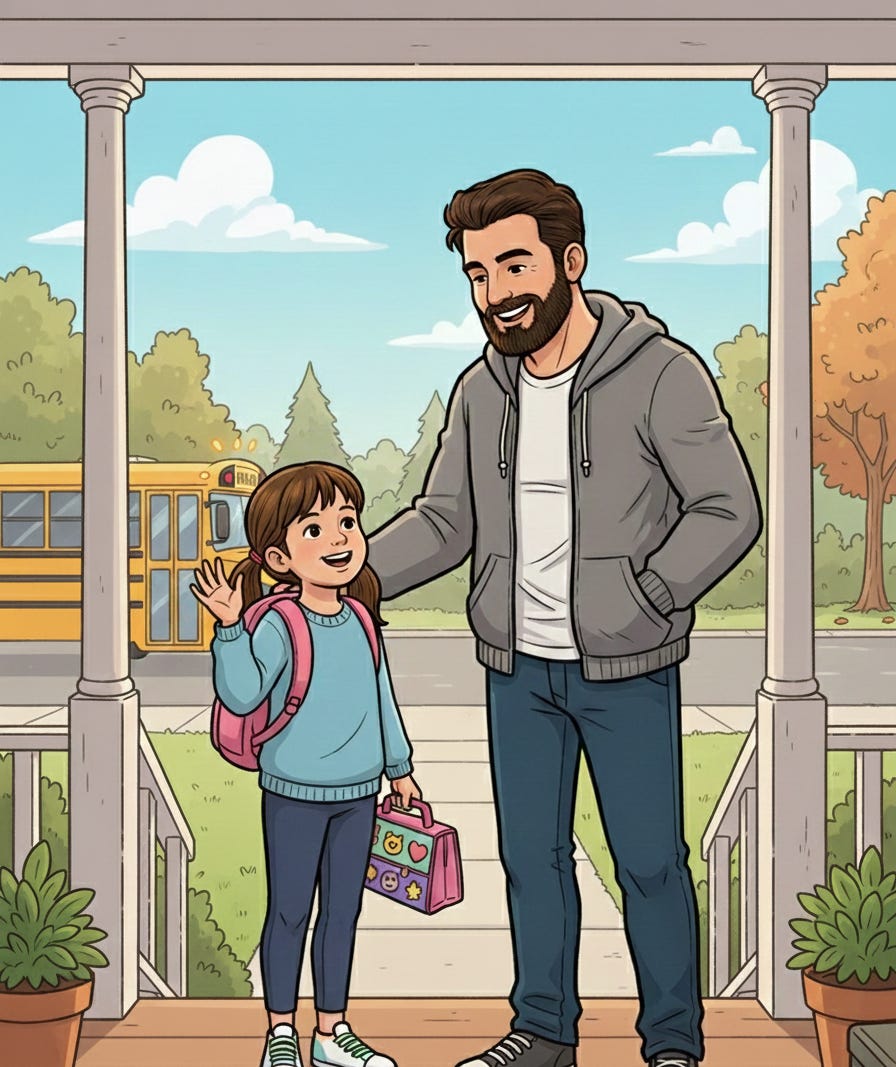
Responsibility doesn’t ask you to be perfect. It asks you to be present and consistent.
How to Apply It This Week
Here are a few ways to apply this without turning it into another abstract idea.
1. Identify What You Truly Own
Write down the areas of life where you are the final backstop. Finances. Household operations. Long-term planning. Health. Don’t outsource responsibility mentally, even if you delegate tasks.
2. Build One Stabilizing System
Pick one area that creates stress and build a simple system around it. A weekly planning session. A bill-paying routine. A shared family calendar. One system done well beats five half-finished ones.
3. Stop Waiting to Feel Ready
Responsibility rarely feels comfortable at first. Act anyway. Competence follows action, not the other way around.
4. Reframe the Weight
When something feels heavy, remind yourself why it exists. Someone trusts you. Someone depends on you. That weight is evidence that you matter.
5. Show Up Consistently
You don’t need recognition for carrying responsibility well. Let stability be the signal. Let consistency be the proof.
A Final Thought
Responsibility is not the enemy of a good life.
Avoiding it is.
The weight you carry now is shaping the man you’re becoming. It’s building the strength your family will rely on later. It’s creating a foundation that doesn’t collapse when things get hard.
That’s not something to escape.
That’s something to step into.